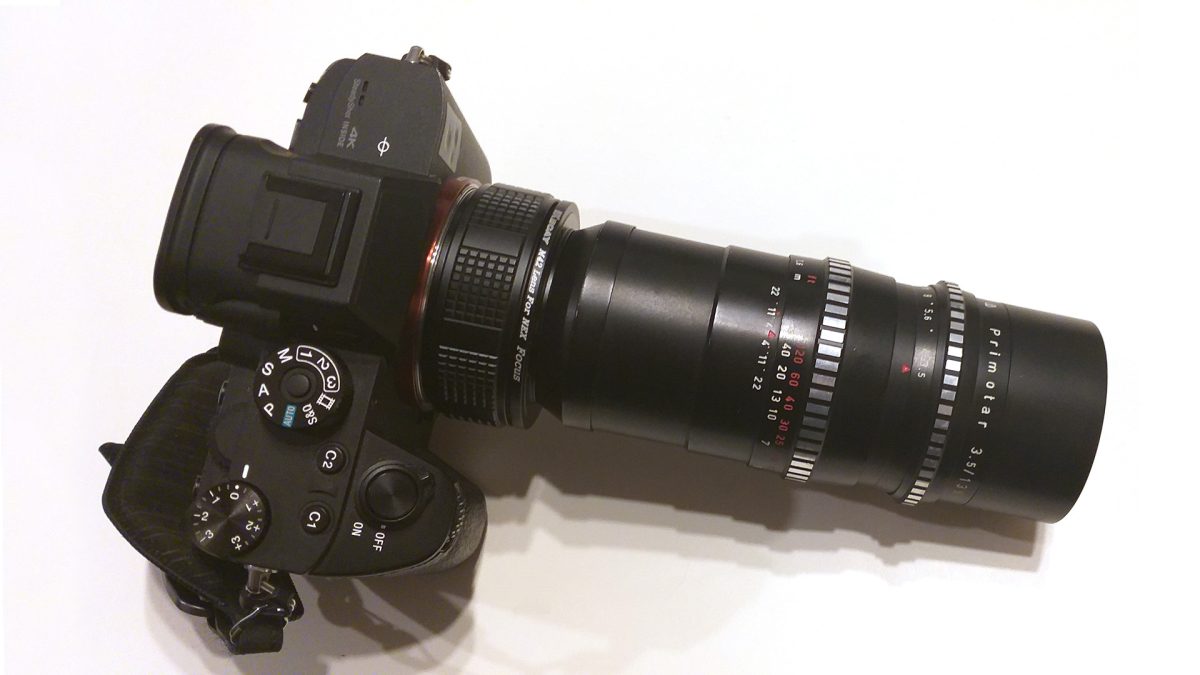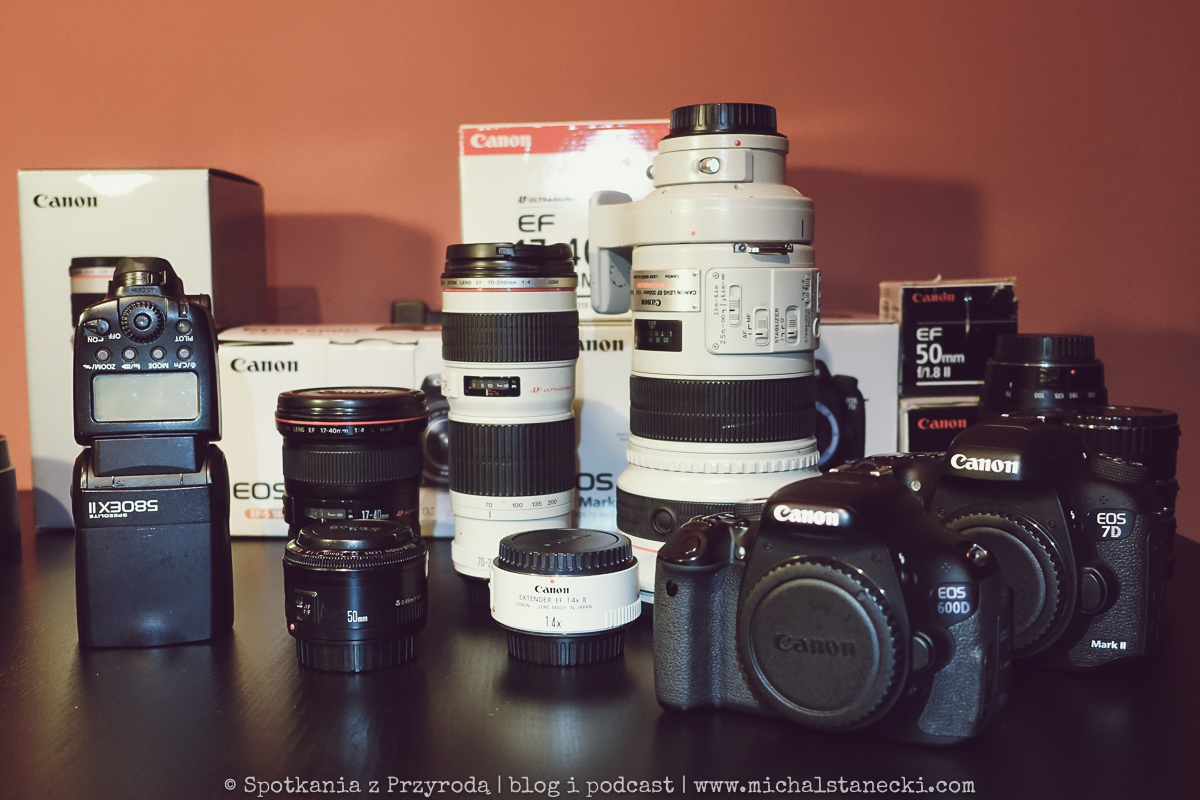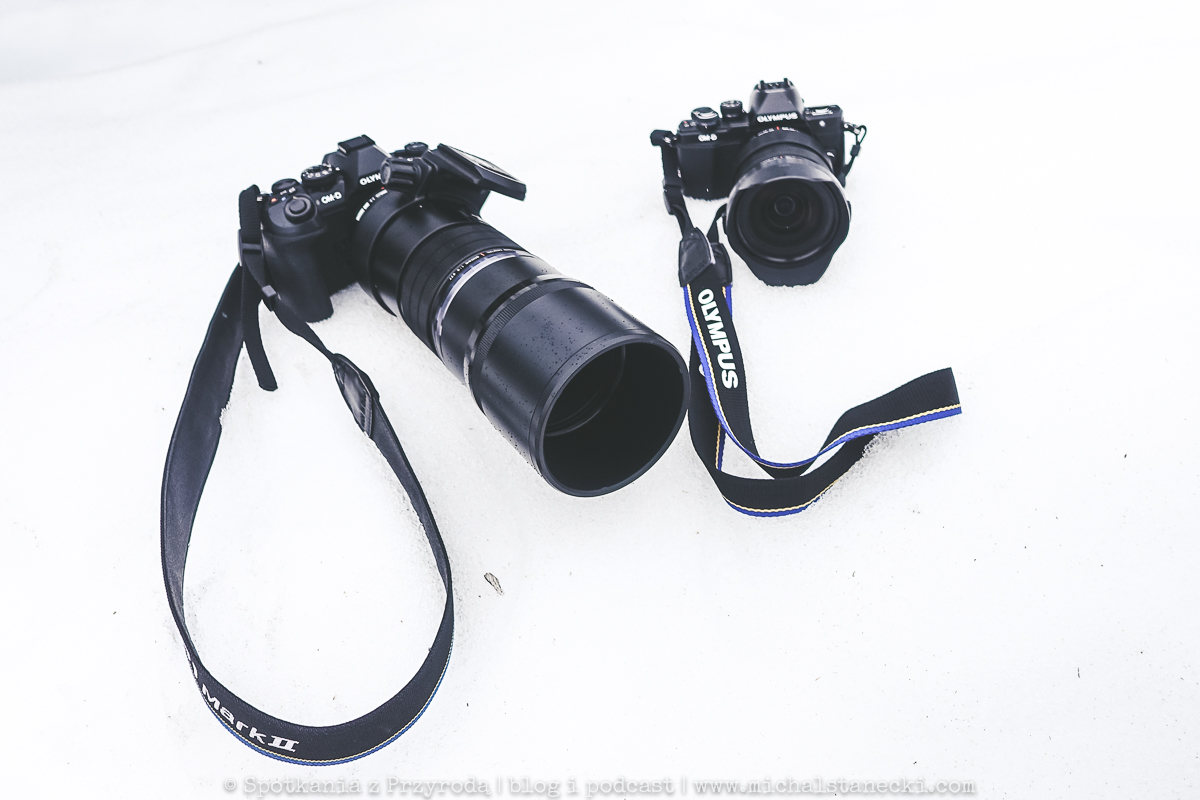
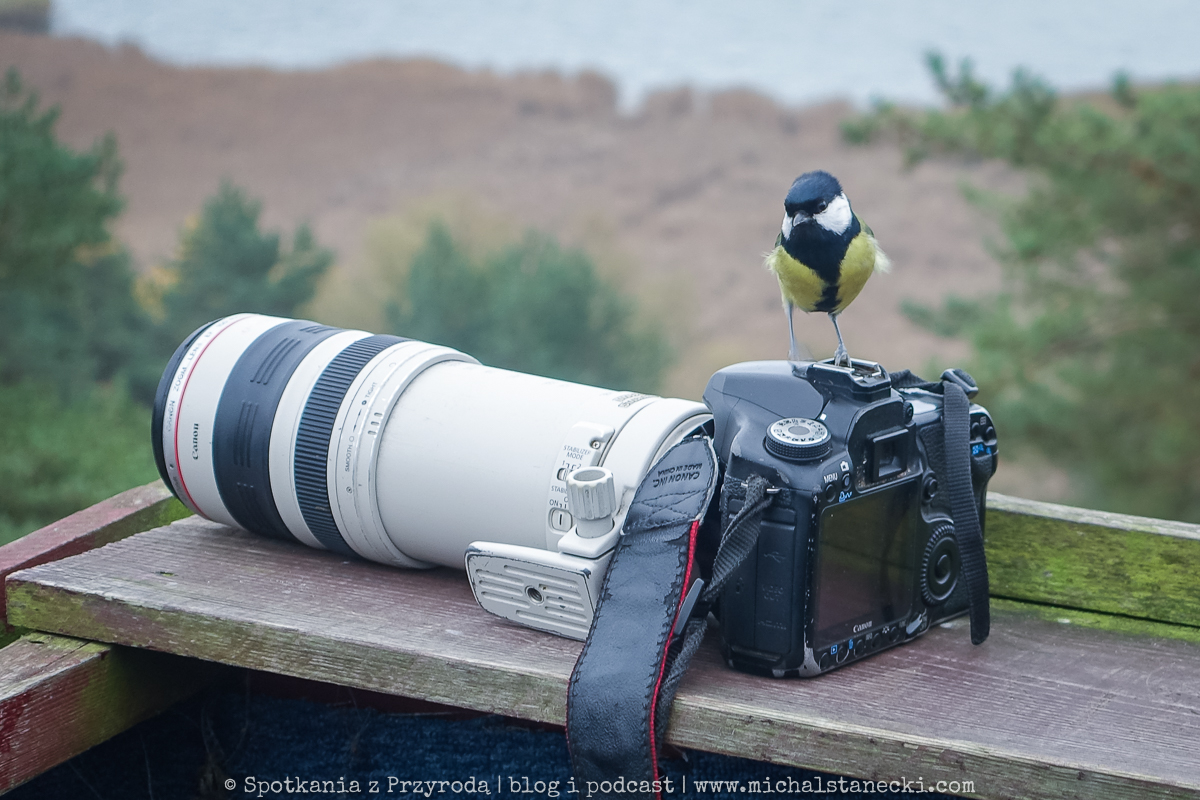
W 28 odcinku podcastu usłyszycie dużo aktualności z terenu, bo rusza właśnie wiosna i dużo się dzieje. Głównym tematem odcinka są rozważania na temat wyboru aparatu (systemu fotograficznego). Czy na topie wciąż są lustrzanki, czy może ich miejsce zajmują bezlusterkowce? Drugą rozważaną kwestią jest wybór zapisu plików zdjęciowych – raw czy jpg? O technikaliach rozmawiam z moim gościem – fotografem Michałem Ludwiczakiem. Usłyszycie też redaktor naczelną Magazynu Przyrodniczego SALAMANDRA – Adrianę Bogdanowską, która zaprasza Was do czytania najnowszego numeru.
Z tego odcinka i naszej rozmowy dowiecie się m.in.:
– jakie cechy aparatów są ważne dla foto-przyrodników i na jakie parametry warto zwrócić szczególną uwagę,
– czy bezlusterkowce wciąż są technologiczną nowością, której jeszcze nie warto zaufać,
– jak wygląda rynek obiektywów dedykowanych do systemów „bez lustra”,
– jaka przyszłość czeka lustrzanki,
– o technologicznym wyścigu wielkich producentów i marketingowym szaleństwie coraz nowszych modeli.
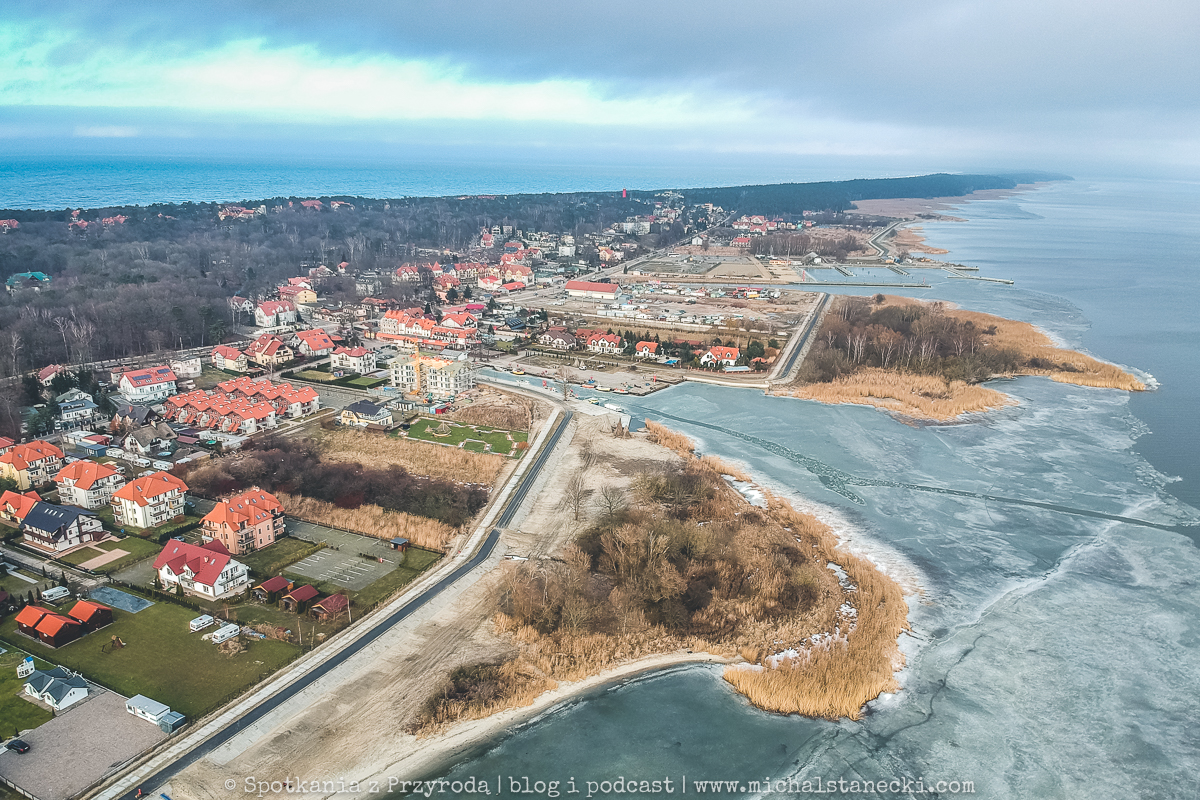
W „REKOMENDACJACH” polecam „MAGAZYN PRZYRODNICZY SALAMANDRA” i raz jeszcze przywołuję „Książkę o śmieciach” Stanisława Łubieńskiego. W dziale „KROK W TYŁ” opowiadam krótko o „pospolitym ruszeniu” z aparatami na wilka, a także wspominam swoją refleksję związaną z przejazdem przez przekop na Mierzei Wiślanej.
Zapraszam Was do wysłuchania 28 odcinka podcastu.
Podcast dostępny jest także na platformach, na których można go słuchać i subskrybować:
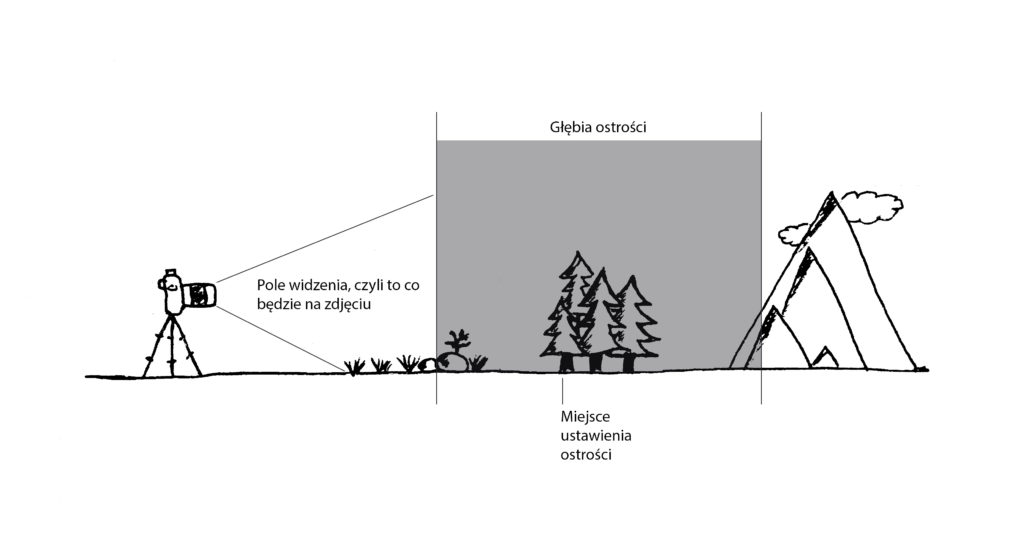
Odległość hiperfokalna – pojęcie z zakresu teorii fotografii. Odległość hiperfokalna może być definiowana na dwa sposoby:
– jako odległość, od której rozpoczyna się głębia ostrości przy ustawieniu ostrości na nieskończoność,
– jako odległość między aparatem fotograficznym, a obiektem na który ustawiono ostrość – zapewniająca uzyskanie maksymalnej głębi ostrości. Głębia ta rozpoczyna się w połowie odległości hiperfokalnej i sięga aż po horyzont (w nieskończoność).
źródło: wikipedia
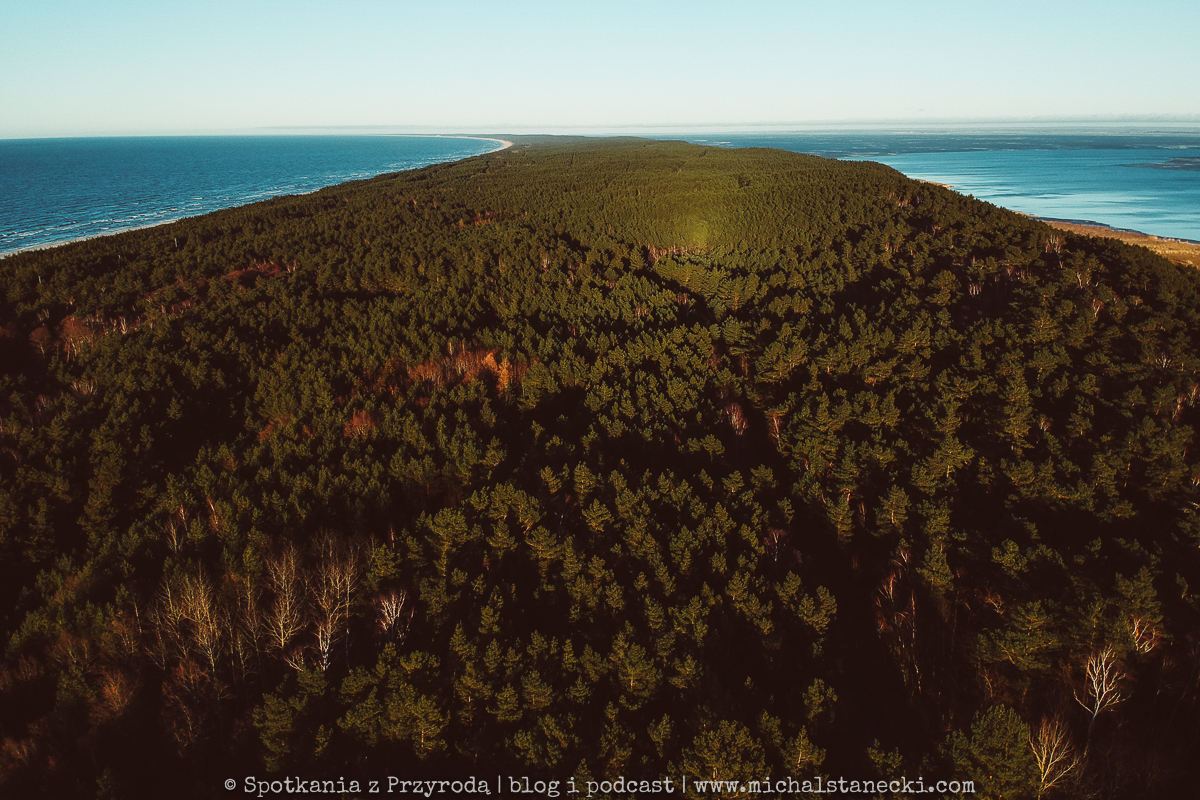
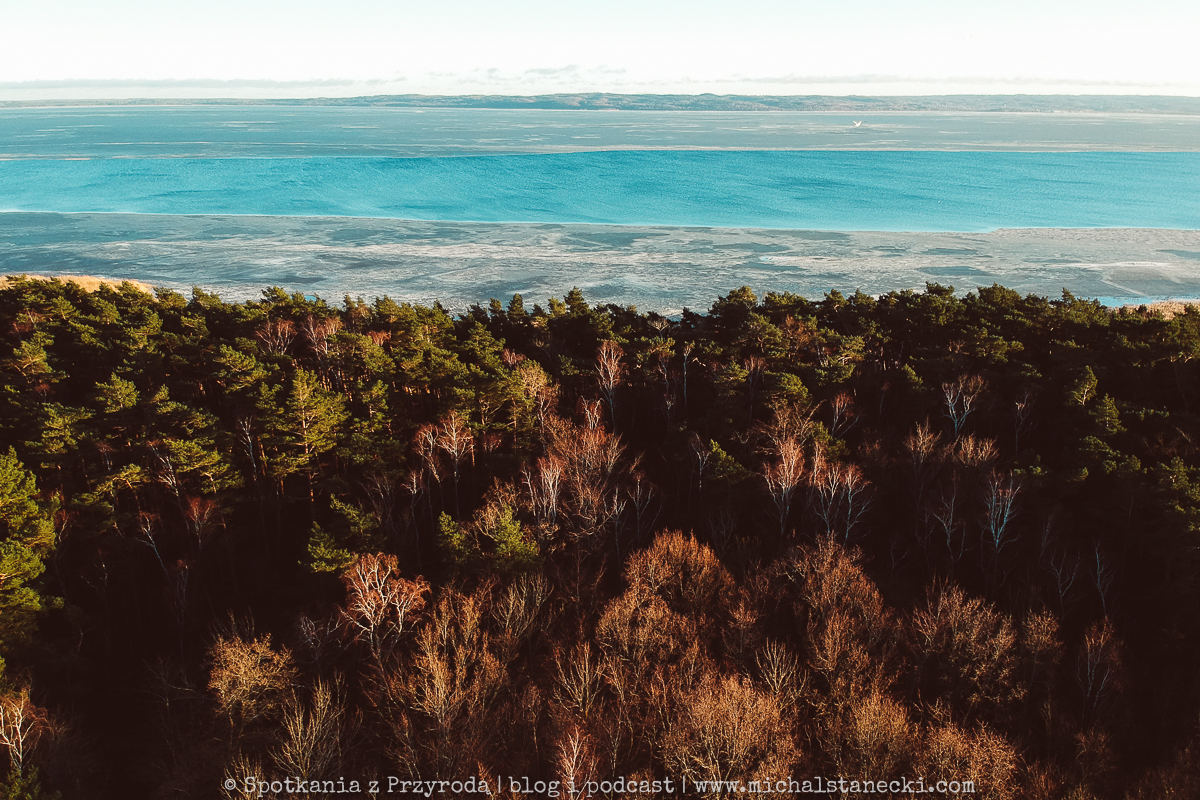
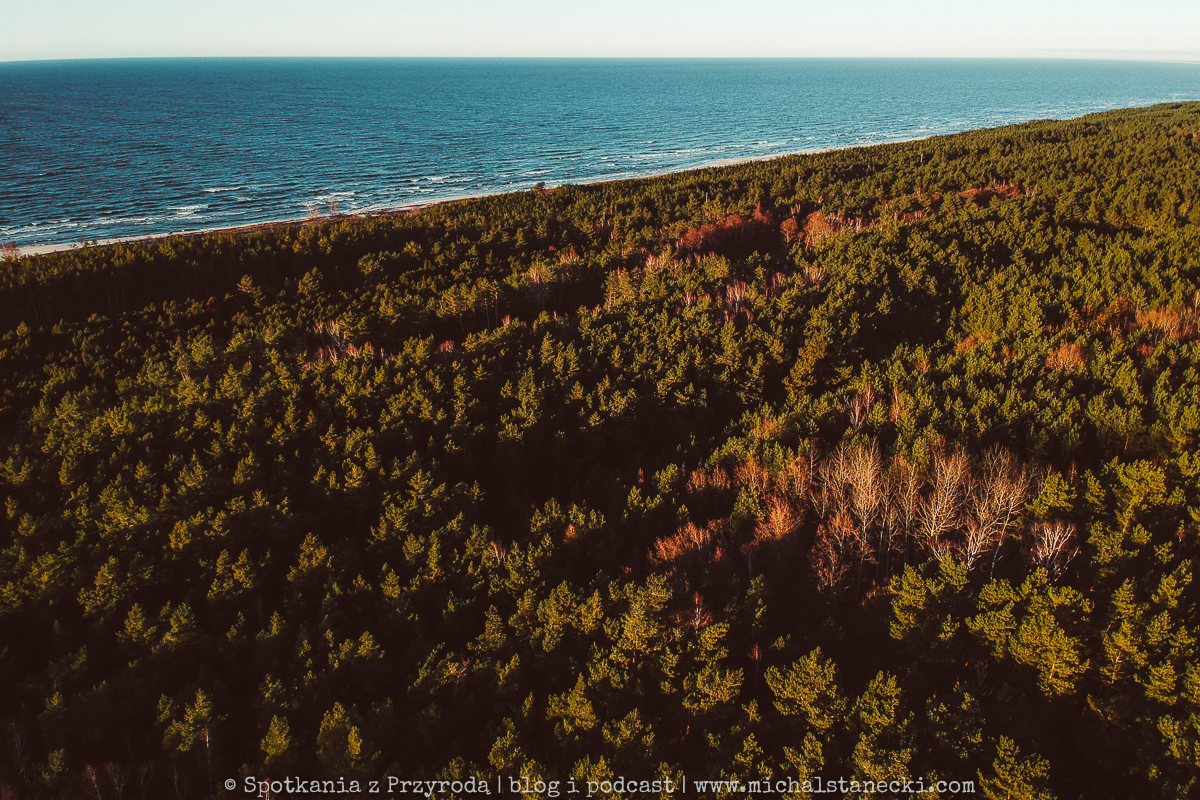
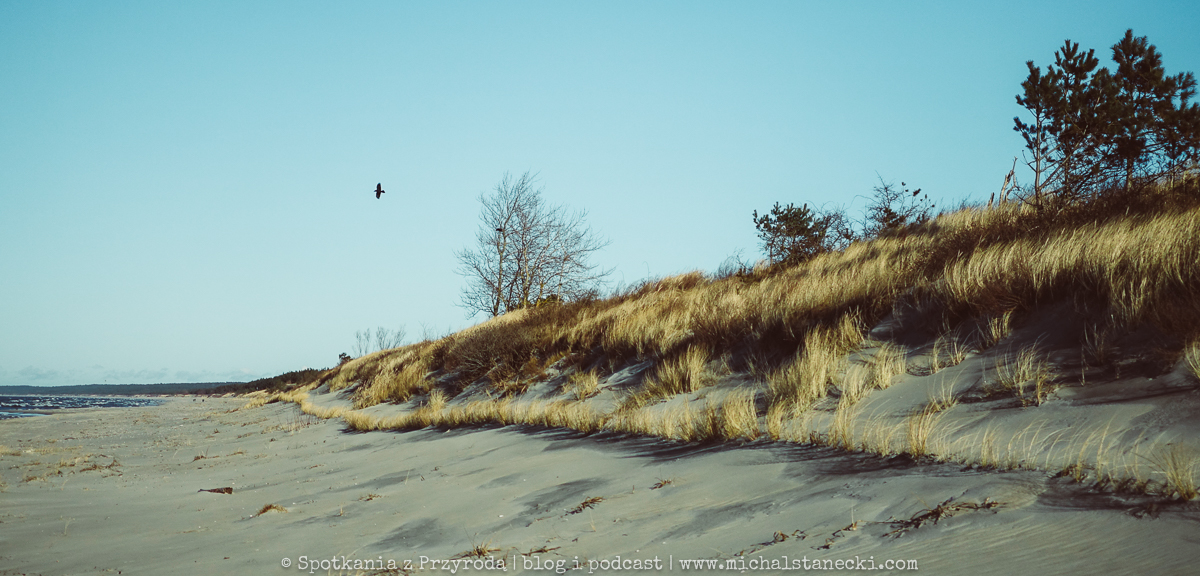
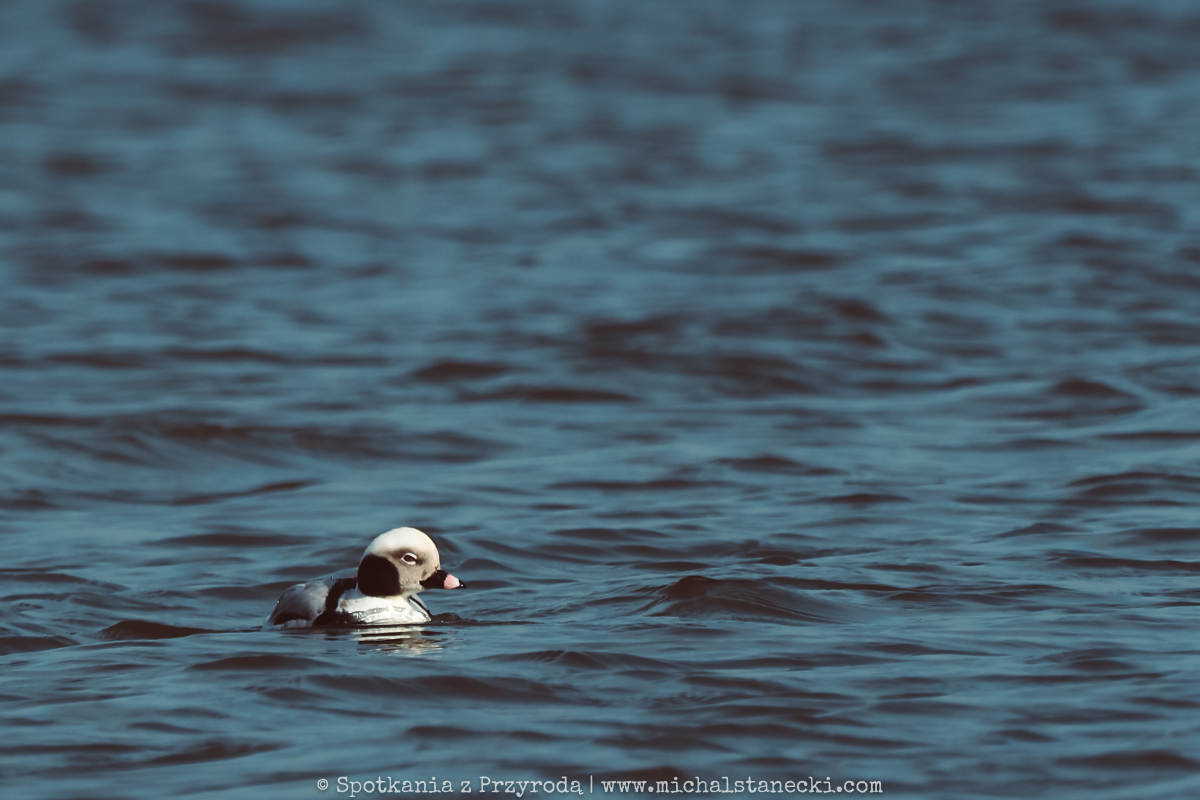
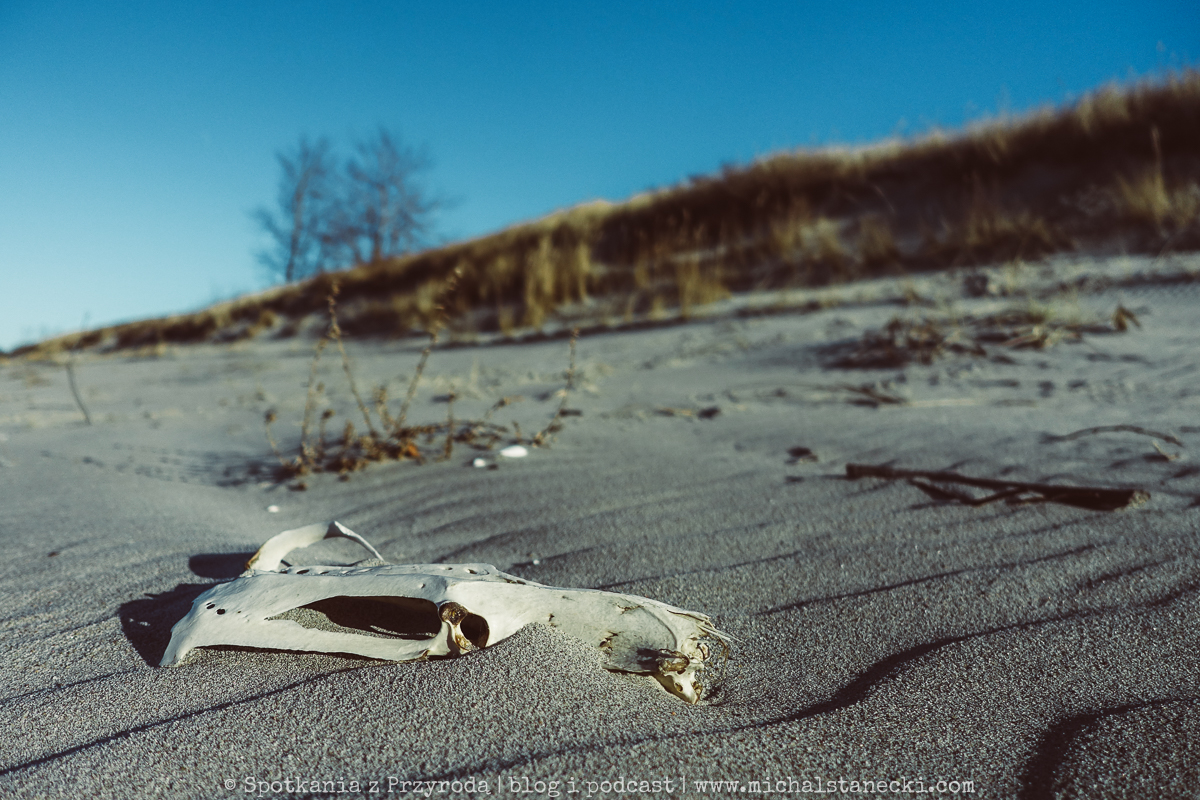
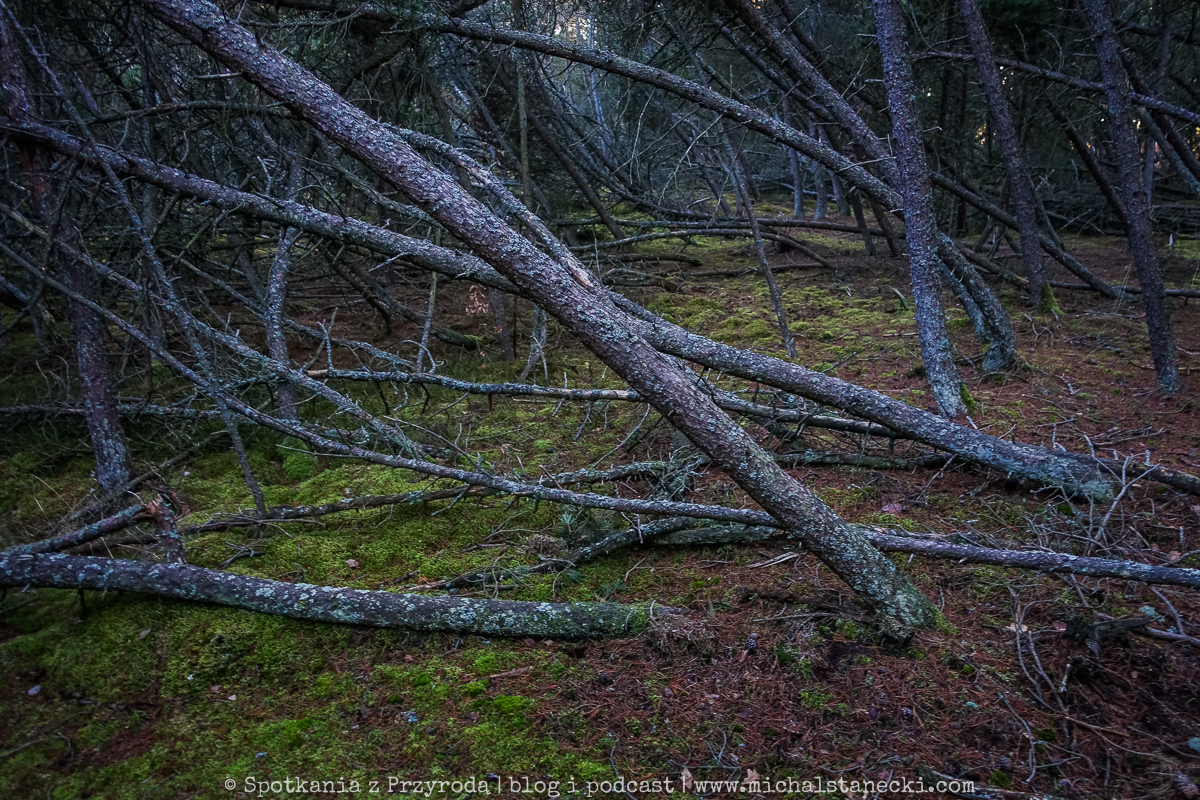
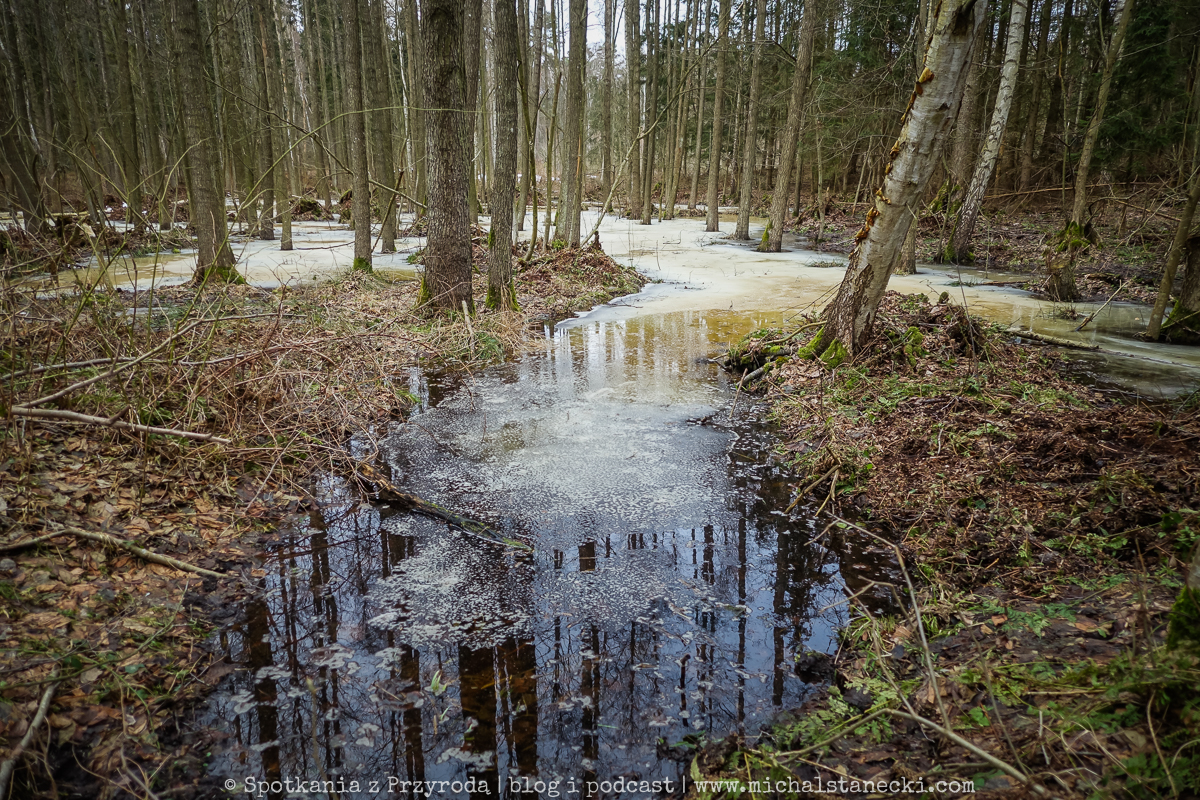
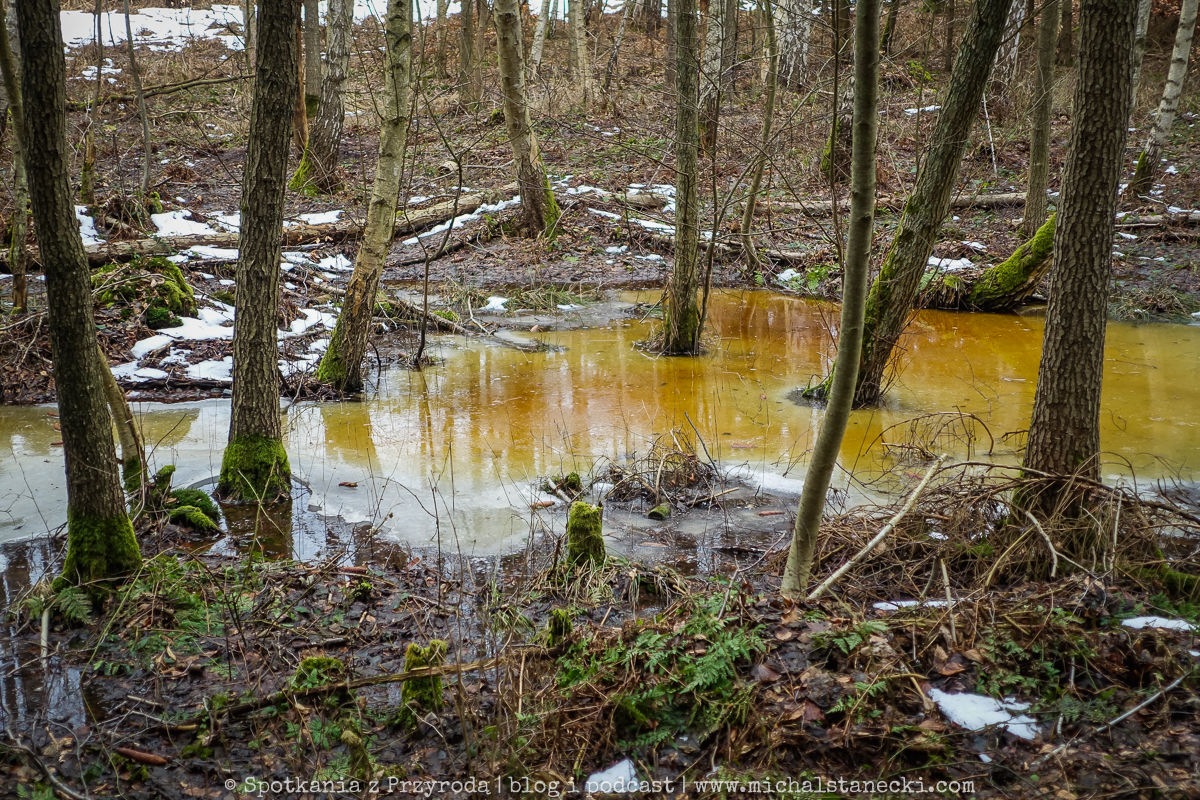
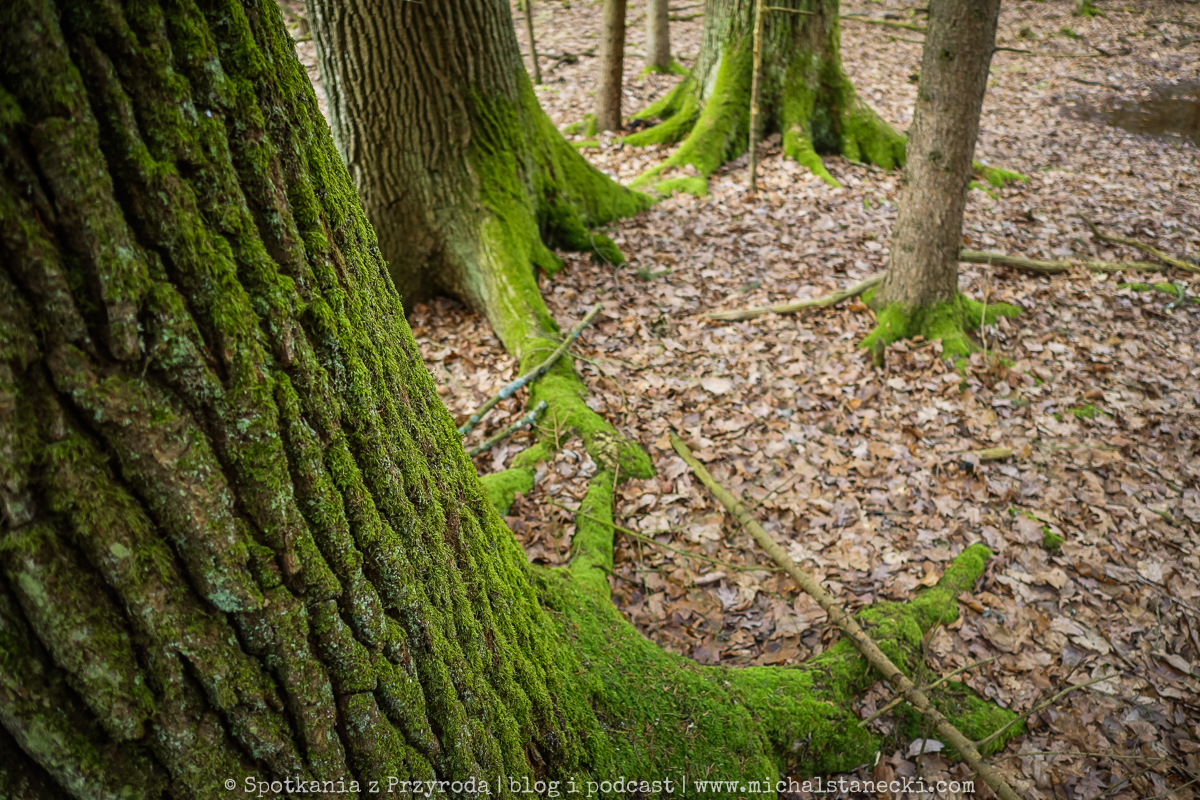
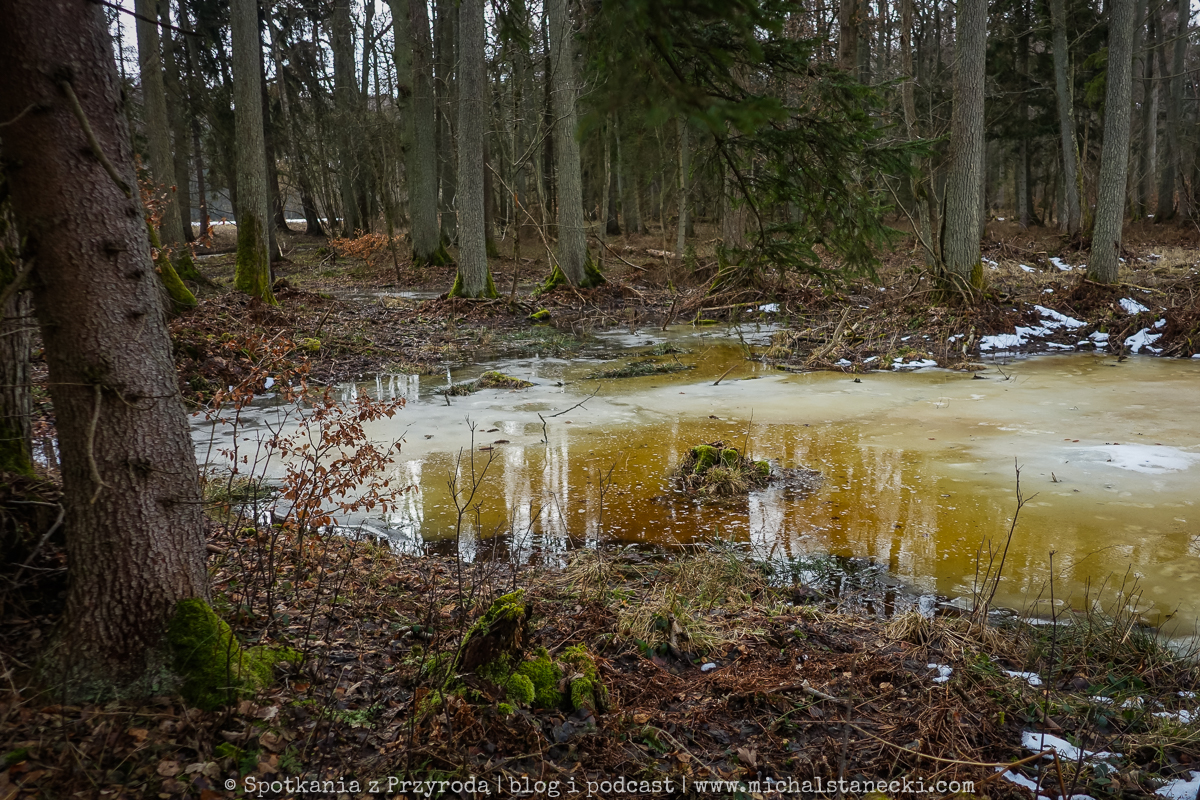
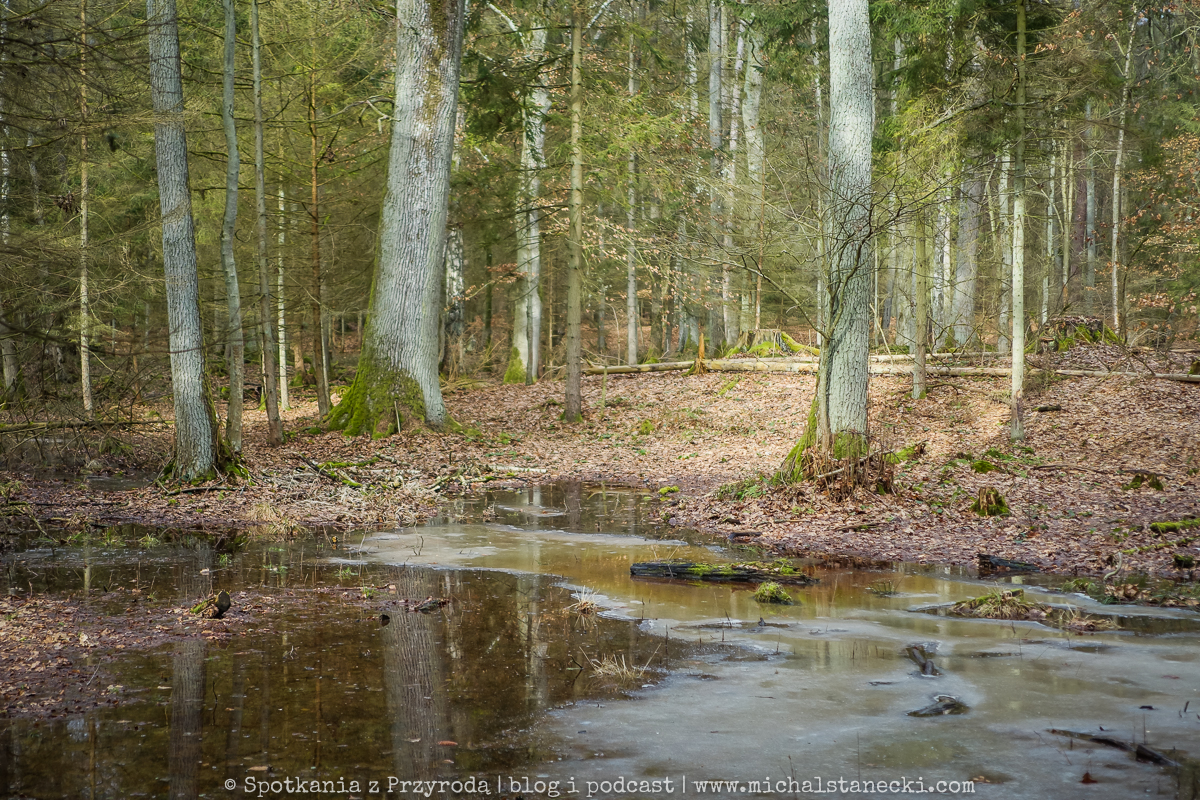
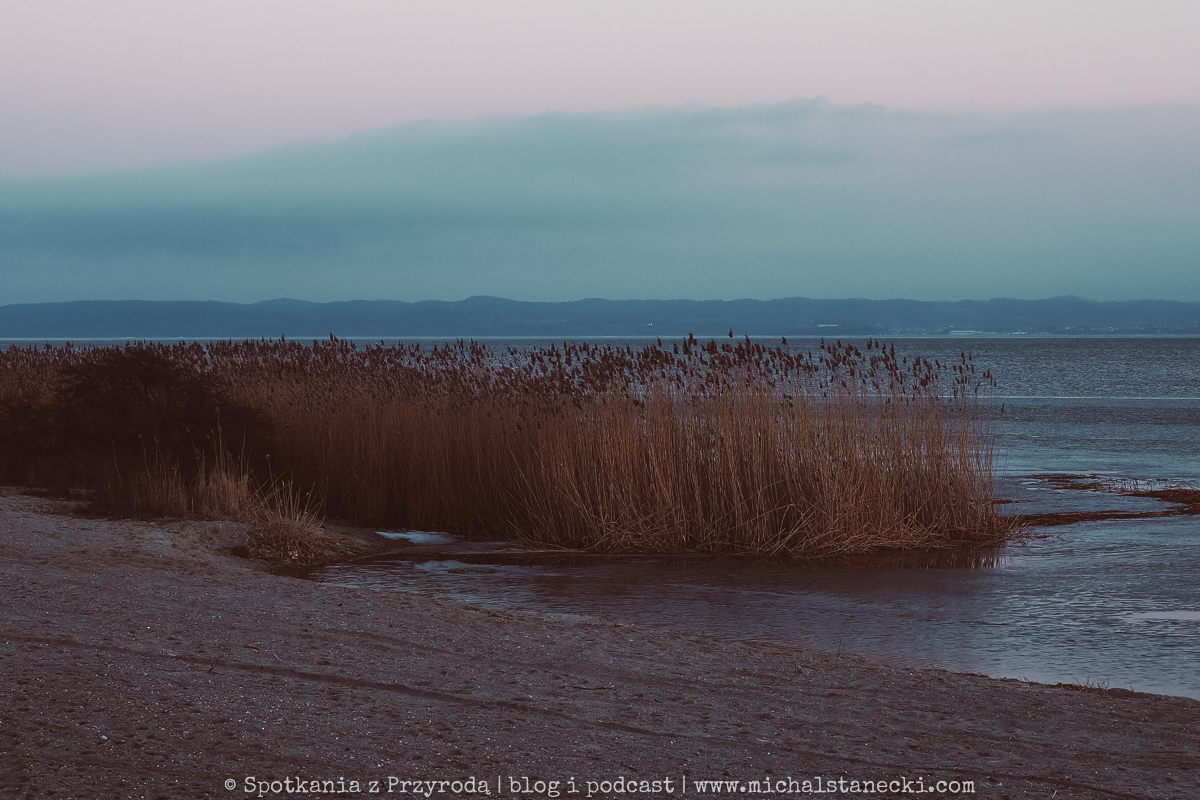
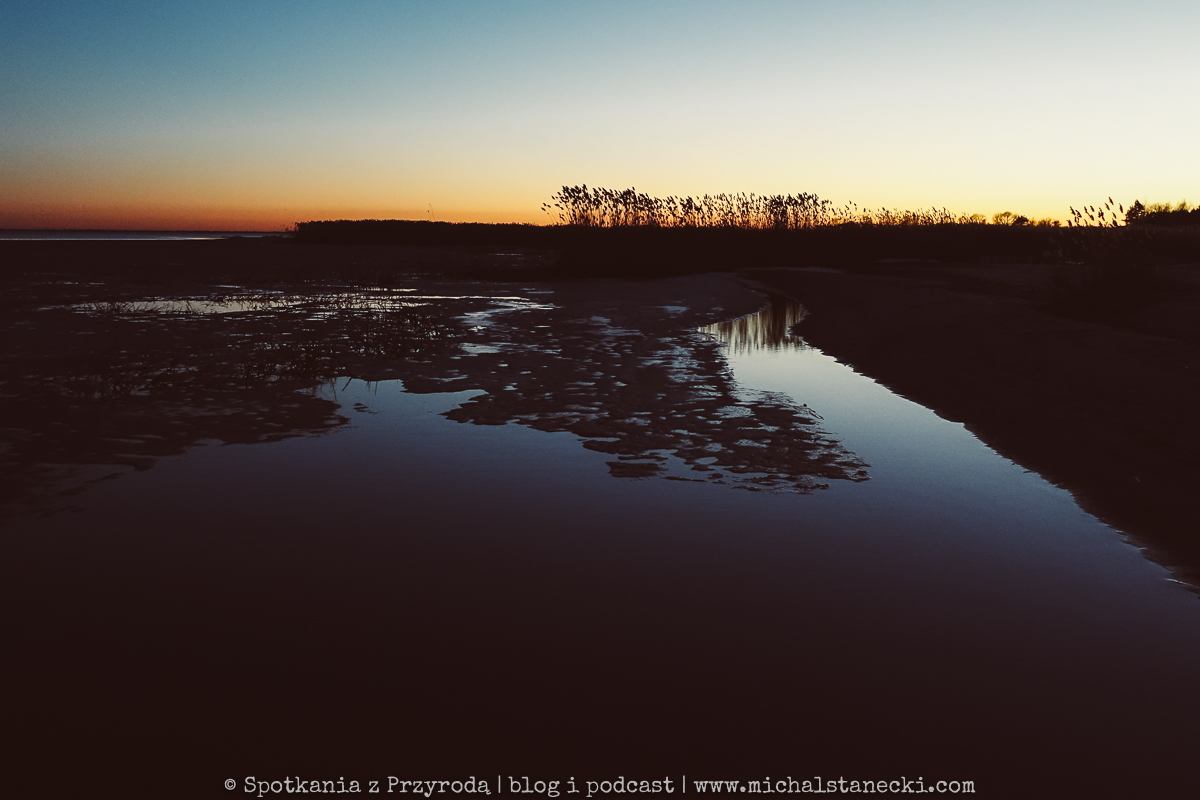
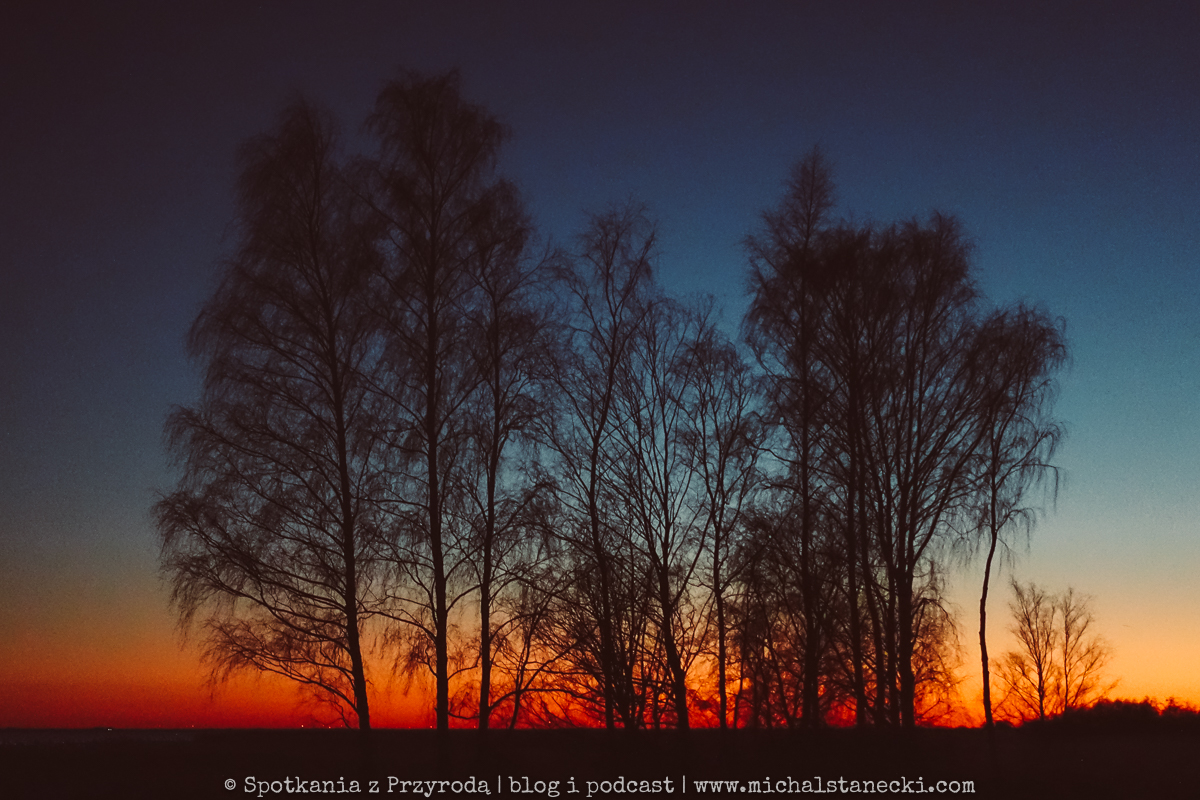
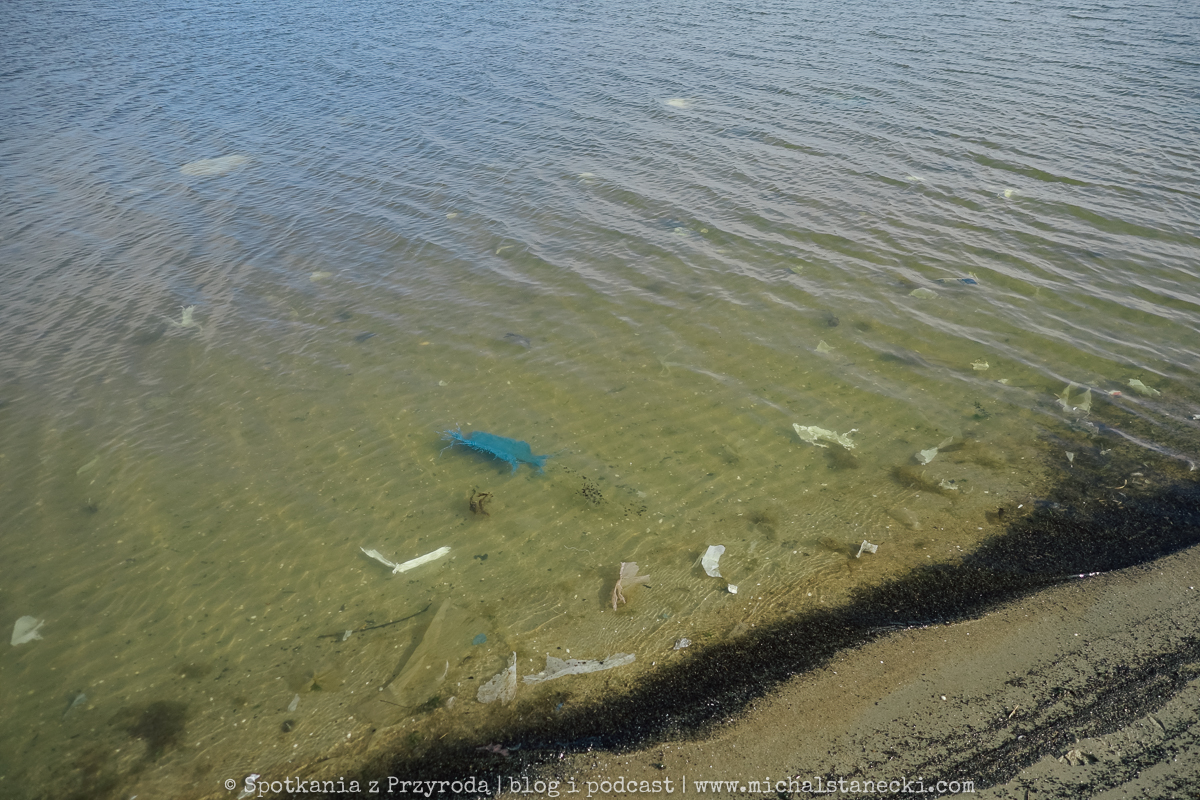
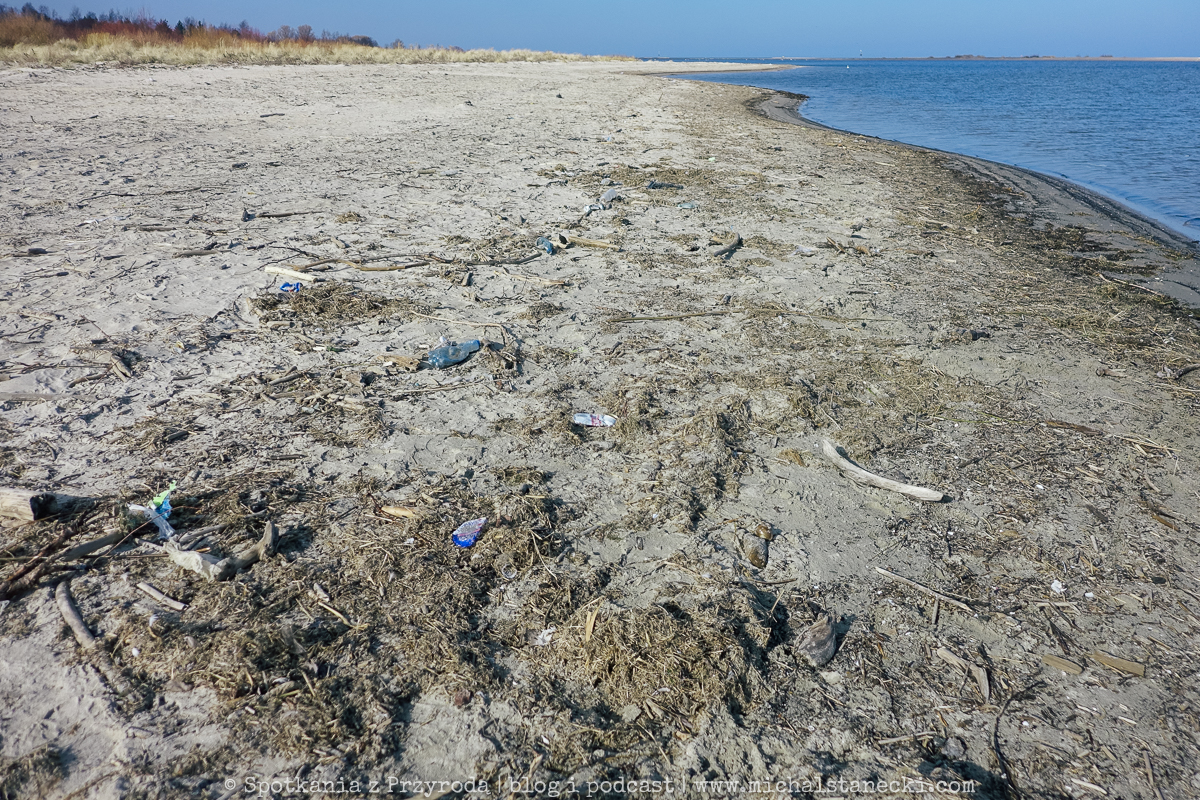
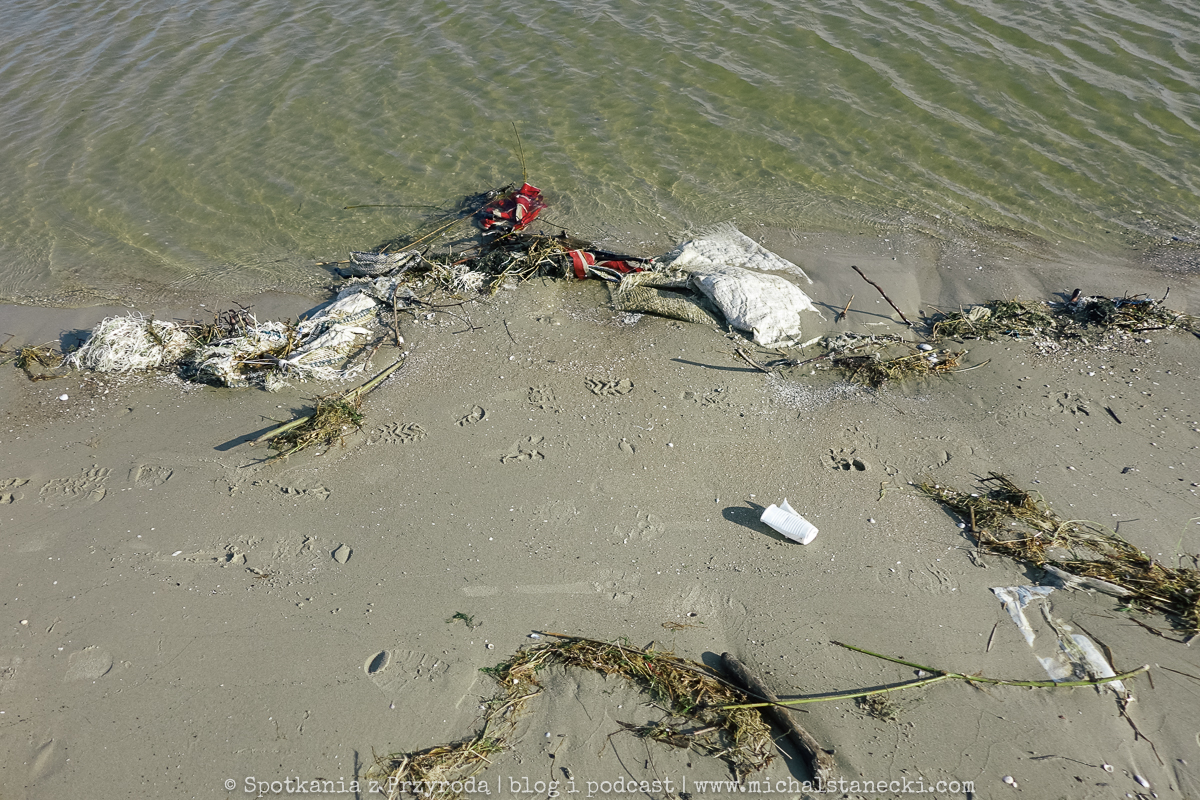
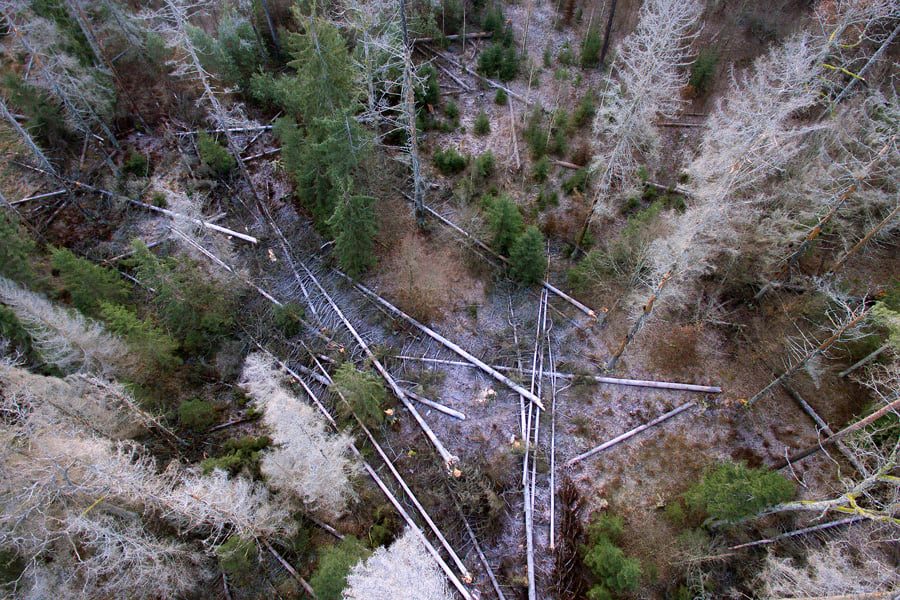
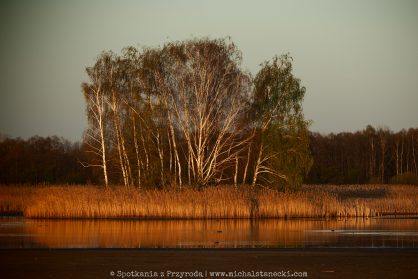
Kilka obrazków z wyjazdu na Mierzeję Wiślaną.
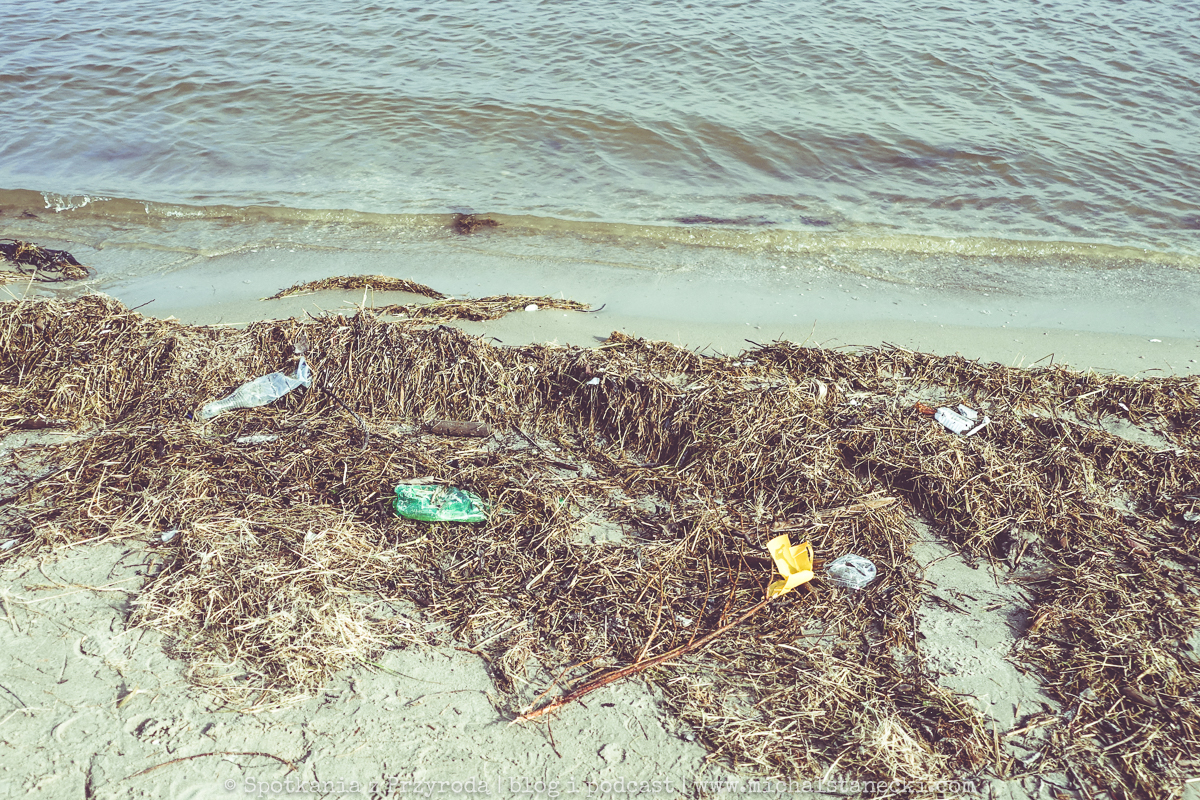
BAŁTYCKIE ŚMIECI …
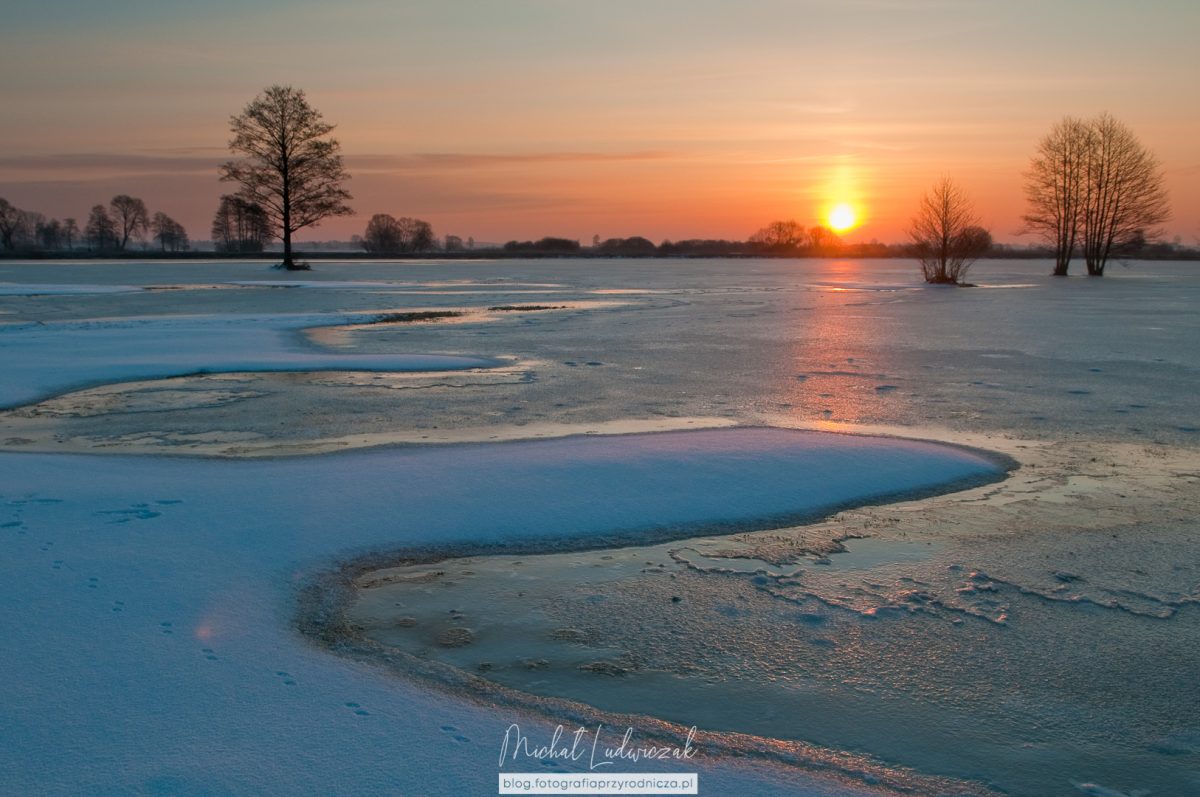
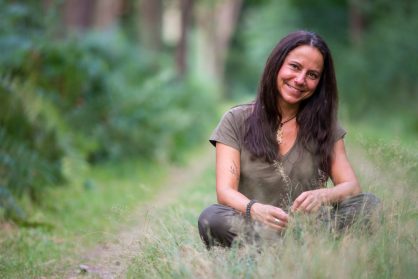
Michał Ludwiczak – członek ZPFP od 2005 r. Autor wielu wystaw indywidualnych i zbiorowych. Laureat licznych konkursów fotograficznych. W jego pracach widać kreatywność i stałe poszukiwanie nowych dróg wyrazu. Pasjonują go rośliny, owady i ptaki, które pokazuje w wyszukany – artystyczny sposób. Jest miłośnikiem starych obiektywów i człowiekiem uzależnionym od pory wschodu słońca.
Adriana Bogdanowska – Poznanianka. Pierwsze kroki w celu zdobycia wyższego wykształcenia poczyniła w kierunku studiów polonistycznych na UAM w Poznaniu. Wrodzona wrażliwość na piękno i ulotność przyrody pchnęła ją ostatecznie w kierunku jej ochrony. Została absolwentką Ochrony Środowiska na Akademii Rolniczej (obecnie Uniwersytet Przyrodniczy) w Poznaniu. Szerokie zainteresowania oraz wiedza przyrodnicza, a także doświadczenie w jej popularyzowaniu, pozwoliły jej zmierzyć się z niełatwym zadaniem redagowania ogólnopolskiego czasopisma przyrodniczego wydawanego przez PTOP „Salamandra”. Od 2004 roku jest redaktor naczelną Magazynu Przyrodniczego SALAMANDRA. Praca ta stała się jej prawdziwą pasją. Od 2009 roku jest członkinią Rady Programowej Towarzystwa, w 2011 roku objęła funkcję przewodniczącej Komisji Rewizyjnej, a w 2012 – przewodniczącej Rady Programowej.
Nade wszystko kocha podróże i wędrówki po górach (również tych najwyższych na świecie) oraz bagnach i leśnych uroczyskach, podczas których nie rozstaje się z aparatem fotograficznym. Jej ulubioną porą roku jest przedwiośnie, bo, jak twierdzi, wszystko wtedy jeszcze bardziej widać i słychać.
SZACUNEK DLA PRZYRODY – EKOLOGIA – ODPOWIEDZIALNA FOTOGRAFIA – ODPOWIEDZIALNE WYBORY.
| Cookie | Duration | Description |
|---|---|---|
| sp_landing | 1 day | The sp_landing is set by Spotify to implement audio content from Spotify on the website and also registers information on user interaction related to the audio content. |
| sp_t | 1 year | The sp_t cookie is set by Spotify to implement audio content from Spotify on the website and also registers information on user interaction related to the audio content. |
| VISITOR_INFO1_LIVE | 6 months | A cookie set by YouTube to measure bandwidth that determines whether the user gets the new or old player interface. |

| yt-remote-cast-available | session | The yt-remote-cast-available cookie is used to store the user's preferences regarding whether casting is available on their YouTube video player. |
| yt-remote-cast-installed | session | The yt-remote-cast-installed cookie is used to store the user's video player preferences using embedded YouTube video. |
| yt-remote-connected-devices | never | YouTube sets this cookie to store the user's video preferences using embedded YouTube videos. |
| yt-remote-device-id | never | YouTube sets this cookie to store the user's video preferences using embedded YouTube videos. |
| yt-remote-fast-check-period | session | The yt-remote-fast-check-period cookie is used by YouTube to store the user's video player preferences for embedded YouTube videos. |
| yt-remote-session-app | session | The yt-remote-session-app cookie is used by YouTube to store user preferences and information about the interface of the embedded YouTube video player. |
| yt-remote-session-name | session | The yt-remote-session-name cookie is used by YouTube to store the user's video player preferences using embedded YouTube video. |
| ytidb::LAST_RESULT_ENTRY_KEY | never | The cookie ytidb::LAST_RESULT_ENTRY_KEY is used by YouTube to store the last search result entry that was clicked by the user. This information is used to improve the user experience by providing more relevant search results in the future. |
| Cookie | Duration | Description |
|---|---|---|
| yt.innertube::nextId | never | YouTube sets this cookie to register a unique ID to store data on what videos from YouTube the user has seen. |
| yt.innertube::requests | never | YouTube sets this cookie to register a unique ID to store data on what videos from YouTube the user has seen. |
| _gcl_au | 3 months | Google Tag Manager sets this cookie to experiment advertisement efficiency of websites using their services. |
| __Secure-ROLLOUT_TOKEN | 6 months | YouTube sets this cookie to manage feature rollout and experimentation. It helps Google control which new features or interface changes are shown to users as part of testing and staged rollouts, ensuring consistent experience for a given user during an experiment. |
| __Secure-YNID | 6 months | Google cookie used to protect user security and prevent fraud, especially during the login process. |
| Cookie | Duration | Description |
|---|---|---|
| csrf_token | session | No description available. |
| sp_tr | session | Description is currently not available. |
| __Host-device_id | session | No description available. |
| __Secure-YEC | past | YouTube sets this cookie to stores the user's video player preferences using embedded YouTube video |
| Cookie | Duration | Description |
|---|---|---|
| Analytics | 730 | Używane przez Google Analytics do rozróżniania użytkowników |
| YSC | session | YSC cookie is set by Youtube and is used to track the views of embedded videos on Youtube pages. |
| _ga | 1 year 1 month 4 days | Google Analytics sets this cookie to calculate visitor, session and campaign data and track site usage for the site's analytics report. The cookie stores information anonymously and assigns a randomly generated number to recognise unique visitors. |
| _ga_* | 1 year 1 month 4 days | Google Analytics sets this cookie to store and count page views. |